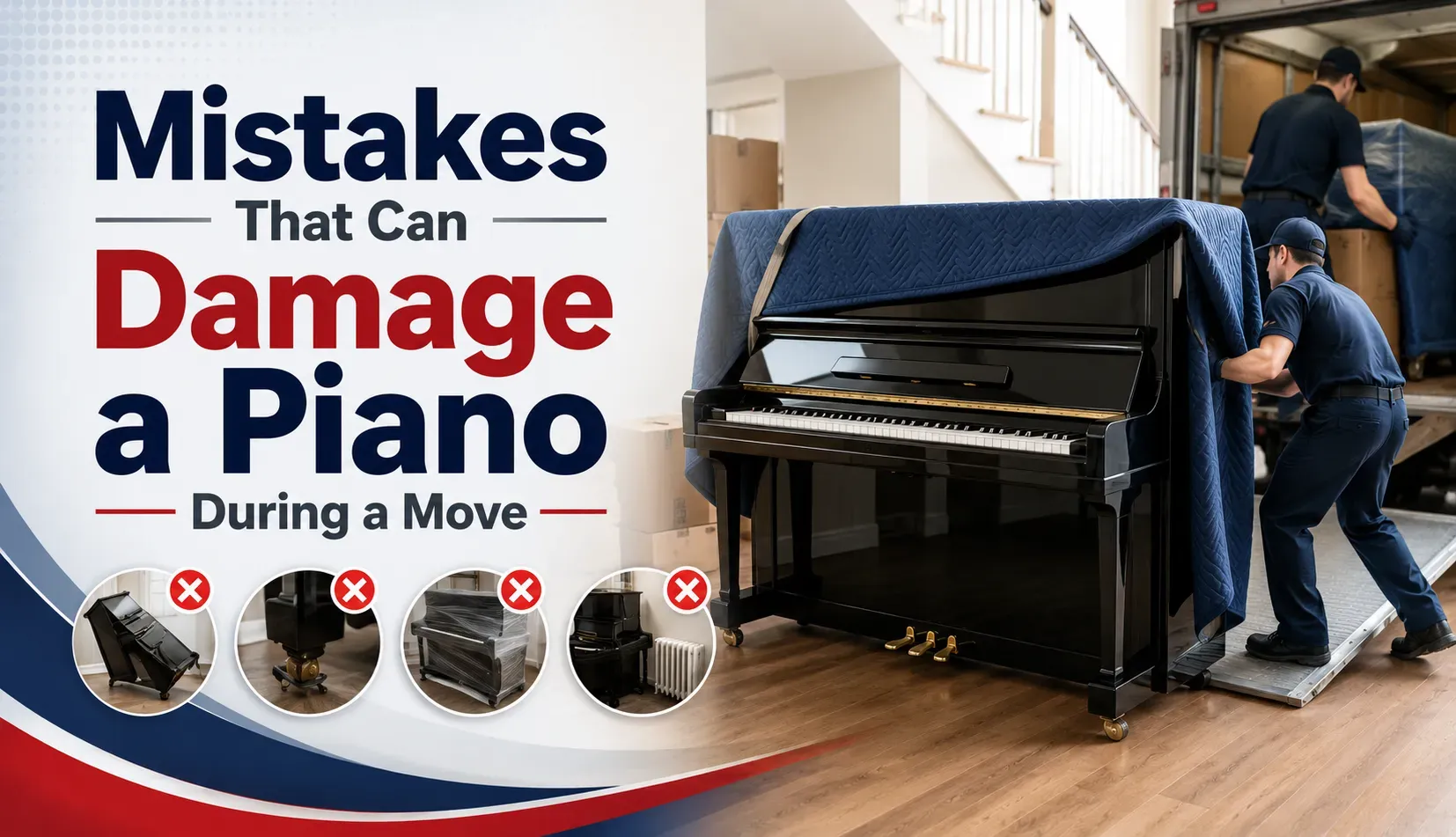
Moving a piano is not like moving a couch, table, or regular household item. A piano is heavy, delicate, and valuable. It has timber panels, strings, keys, pedals, hammers, and internal parts that all need proper care. Even a small mistake during transport can cause scratches, tuning problems, structural damage, or expensive repairs.
That is why many homeowners choose professional help for Perth piano removals. A trained team understands how to move different types of pianos safely, including upright pianos, baby grand pianos, and larger grand pianos. With the right planning, equipment, and handling, you can reduce stress and protect your instrument during the move.
In this blog, we explain common mistakes that can damage a piano during a move and how to avoid them.
Why Piano Moving Needs Special Care
A piano may look solid from the outside, but it has many sensitive parts inside. It can weigh hundreds of kilograms, and its weight is not always evenly balanced. This makes it difficult to lift, carry, and transport safely.
If a piano is tilted, dropped, dragged, or placed in the wrong position, it can suffer serious damage. Floors, walls, stairs, and doorframes can also get damaged during the move.
This is why experienced Perth Piano Removalists use proper tools and moving methods to protect both the piano and the property.
Mistake 1: Trying to Move the Piano Yourself
One of the biggest mistakes is trying to move a piano without professional help. Many people think they can manage with a few friends and a ute. However, this can be risky.
Pianos are not only heavy. They are also awkward to carry. Without the right equipment, people can get injured or lose control of the piano.
What Can Go Wrong?
Trying to move a piano yourself can lead to:
- Back injuries
- Crushed fingers
- Scratched timber
- Broken legs
- Damaged pedals
- Cracked walls
- Damaged flooring
- Internal piano damage
Choosing specialists in Perth piano removals helps avoid these risks and gives the piano a safer moving process.
Mistake 2: Not Measuring Access Points
Another common mistake is failing to measure the spaces before moving day. Pianos often need to pass through narrow doors, tight hallways, stairs, gates, lifts, and corners.
If the piano does not fit through an area, the move can become stressful and dangerous.
What Should You Measure?
Before the move, measure:
- Doorways
- Hallways
- Staircases
- Entry gates
- Lift space
- Turning areas
- Room entrances
- Pathways to the truck
Professional Perth Piano Removalists can also inspect the site and plan the safest route before moving the piano.
Mistake 3: Using the Wrong Equipment
A piano should not be moved with regular household tools. It needs special equipment to support its weight and protect its surfaces.
Using weak straps, small trolleys, or poor-quality blankets can increase the risk of damage.
Proper Piano Moving Equipment
A professional team may use:
- Piano dollies
- Moving straps
- Protective blankets
- Padding
- Ramps
- Lifting tools
- Secure tie-downs
- Specialised transport vehicles
Reliable Perth piano removals require the right tools from start to finish. The right equipment helps reduce pressure on the piano and keeps it stable during transport.
Mistake 4: Dragging the Piano Across the Floor
Dragging a piano may seem easier than lifting it, but it can cause major damage. The piano legs, wheels, pedals, and base are not designed to handle rough dragging.
It can also scratch timber floors, crack tiles, tear carpet, or damage door thresholds.
Better Way to Move It
A piano should be lifted and placed on suitable moving equipment. The team should protect the floor and guide the piano carefully through the property.
Experienced Perth Piano Removalists know how to move pianos without dragging or forcing them through tight spaces.
Mistake 5: Not Protecting the Piano Surface
Piano finishes can scratch easily. Timber panels, polished surfaces, corners, and edges need proper protection during a move.
Without padding, the piano can rub against walls, doorframes, truck surfaces, or other items.
How Protection Helps
Protective blankets and padding can help prevent:
- Scratches
- Dents
- Chips
- Dust marks
- Moisture exposure
- Impact damage
Good Perth piano removals include proper wrapping and protection before the piano is moved.
Mistake 6: Ignoring the Internal Parts
Many people only think about the outside of the piano. However, the internal parts are just as important. Strings, hammers, keys, and the soundboard can be affected by rough movement.
Even if the outside looks fine, the piano may not sound right after the move.
Why Gentle Handling Matters
Rough handling can affect:
- Tuning
- Key response
- Pedal function
- Internal alignment
- Sound quality
Professional Perth Piano Removalists understand that a piano is a musical instrument, not just a heavy object. They handle it with care to reduce internal stress.
Mistake 7: Poor Loading into the Truck
Loading is one of the riskiest parts of a piano move. If the piano is lifted at the wrong angle or placed incorrectly in the truck, it can shift during transport.
A sudden stop, sharp turn, or bumpy road can cause damage if the piano is not secured properly.
Safe Loading Matters
A piano should be loaded slowly, placed securely, and tied down properly. It should not move around during transport.
Specialists in Perth piano removals know how to load and secure pianos for short and long-distance moves.
Mistake 8: Not Considering Weather Conditions
Weather can affect a piano during a move. In Australia, heat, rain, humidity, and sudden weather changes can all create problems.
Pianos can react to moisture and temperature changes. Timber can expand or contract, and internal parts may be affected.
How to Reduce Weather Risk
To reduce weather-related damage:
- Avoid leaving the piano outside for long periods
- Keep it covered during loading and unloading
- Protect it from rain
- Avoid direct heat when possible
- Move it quickly between the home and truck
Careful Perth piano removals take weather and timing into account.
Mistake 9: Placing the Piano in the Wrong Spot
The move is not finished once the piano reaches the new location. Where you place it matters.
Avoid placing a piano near direct sunlight, heaters, air conditioners, damp walls, windows, or outdoor-facing doors. These areas can affect the timber and tuning over time.
Better Placement Tips
Place the piano in a stable indoor area with good airflow and steady temperature. Make sure there is enough space around it for comfortable use and future tuning.
Professional Perth Piano Removalists can help position the piano safely in the new space.
Mistake 10: Forgetting About Tuning After the Move
Even with careful handling, a piano may need tuning after relocation. Movement, vibration, and changes in temperature can affect its sound.
Many people forget this step and wonder why the piano does not sound the same after the move.
When Should You Tune It?
It is often best to let the piano settle in its new environment before tuning. This gives the instrument time to adjust to the room conditions.
A good moving team can advise you on general care after transport, while a qualified piano tuner can handle the tuning.
Why Professional Piano Movers Are Worth It
Hiring professionals can save time, reduce stress, and protect your piano. It also helps protect your home from damage during the move.
Experienced Perth Piano Removalists understand the challenges of moving pianos through stairs, narrow halls, tight corners, uneven ground, and different property layouts.
They bring the right equipment, planning, and skill to move the piano safely.
Final Thoughts
A piano is a special item that needs more care than ordinary furniture. Mistakes like dragging it, using the wrong equipment, skipping measurements, or trying to move it yourself can cause serious damage. Good planning and professional handling make a big difference.
If you want a safer and smoother moving experience, choosing expert support for Perth piano removals is a smart decision. For reliable help with piano moving, careful transport, and heavy item relocation, Forte Heavy Removals can help protect your piano from start to finish