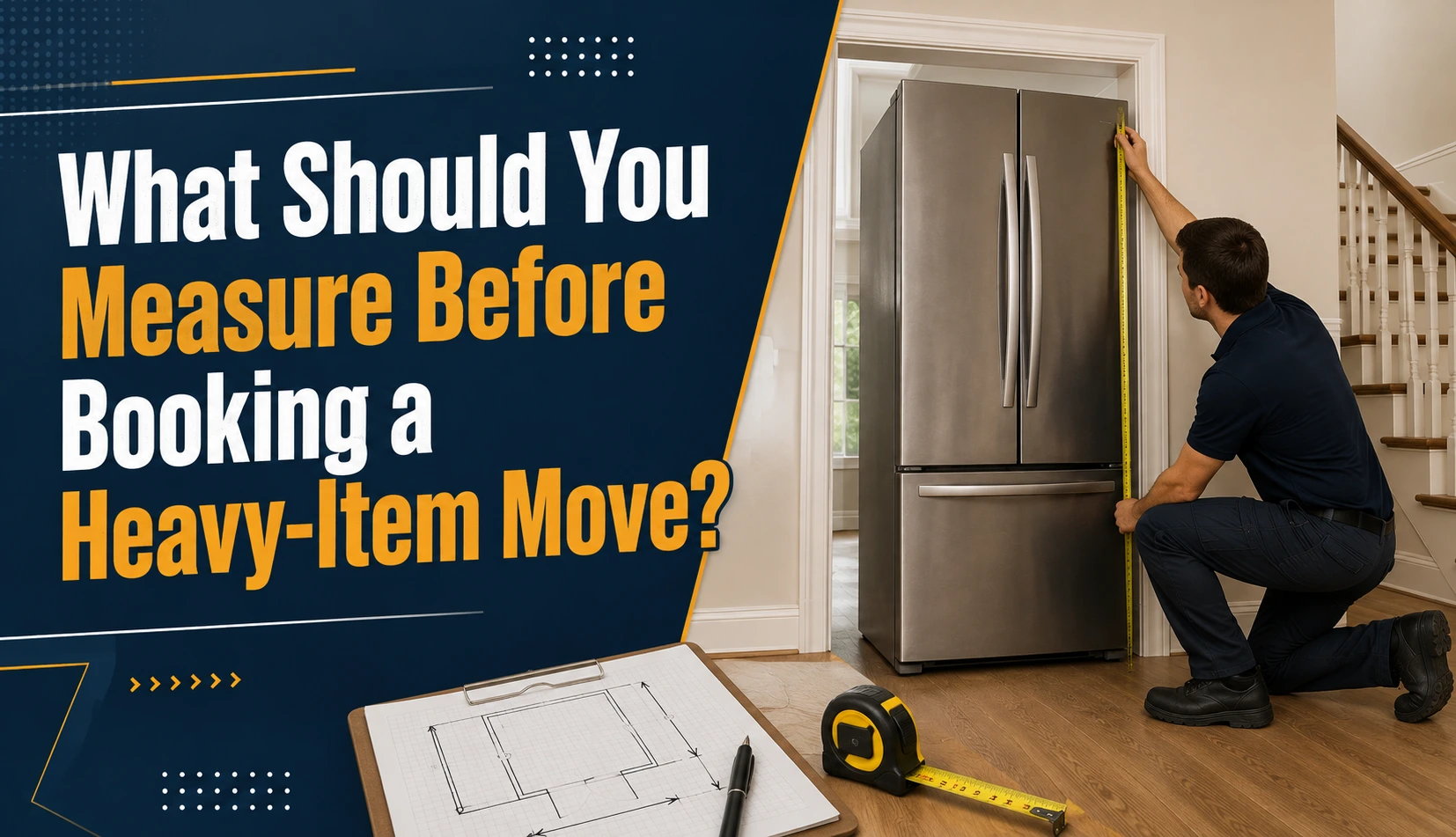
Moving a heavy item is not as simple as lifting it and putting it on a truck. Large furniture, pool tables, pianos, safes, machinery and oversized household items can create problems if you do not check the measurements first.
Before booking a moving service, you need to know whether the item can pass through doors, hallways, staircases and gates. You also need to check whether the moving team can safely load and transport it.
Taking a few measurements before the move can help you avoid delays, property damage and unexpected costs. It also gives your movers the information they need to plan the job properly.
If you are preparing for difficult furniture moves, the following measurements can make the process much easier.
Why Measurements Matter Before a Heavy Move
Heavy items often look smaller than they actually are. A large cabinet may fit comfortably inside a room but fail to pass through a narrow doorway. A pool table may fit through the front entrance but become difficult to turn in a hallway.
Professional movers need to understand the complete route before they start moving an oversized item.
Accurate measurements can help you:
- Identify tight spaces before moving day
- Choose the right moving equipment
- Plan the safest route
- Reduce the risk of scratches and dents
- Avoid unnecessary dismantling
- Estimate the number of movers required
- Prevent last-minute moving problems
Good preparation becomes especially important when dealing with difficult furniture moves involving narrow entrances, stairs or restricted access.
What Should You Measure Before Moving a Heavy Item?
You do not need complicated equipment to measure your space. A standard tape measure can help you collect most of the information your moving team needs.
1. Measure the Item Itself
Start with the heavy item.
Measure its:
- Height
- Width
- Length
- Depth
- Weight, if known
Do not measure only the main body of the item. Include handles, legs, wheels, shelves, protruding sections and other parts that cannot be removed.
For example, a large wardrobe may have doors or handles that add several centimetres to its overall width.
Write down every measurement clearly. If possible, take a few photos and send them to the moving company along with the dimensions.
This simple step can make difficult furniture moves much easier to plan.
2. Measure the Doorways
The front door is not the only doorway you should check.
Measure every doorway that the item will pass through. This may include:
- The front entrance
- Internal doors
- Garage doors
- Side entrances
- Apartment doors
- Security doors
Measure the clear opening rather than simply measuring the door itself.
Remember to account for door frames, handles and hinges. If a door can open wider or be temporarily removed, tell the movers about it.
3. Check Hallway Width
A heavy item may fit through a doorway but still struggle to move down a hallway.
Measure the narrowest part of every hallway along the planned route. Also check for corners and areas where the walls become closer together.
For long furniture, measure the turning space around corners. A wardrobe or cabinet may fit through a straight hallway but fail when the movers need to turn it.
This is one of the most common challenges during difficult furniture moves, particularly in older Australian homes and apartment buildings.
4. Measure Staircases
Stairs require extra attention.
Measure the width of the staircase and check the height between steps and the ceiling. If the staircase has a landing, measure the landing area as well.
Also check:
- The height of the stairwell
- The width of each landing
- The direction of the staircase
- Handrails
- Light fittings
- Low ceilings
- Sharp turns
A narrow staircase can make a heavy item much harder to control. Movers may need special equipment or a different moving technique.
5. Check the Lift if You Live in an Apartment
If you live in an apartment, do not assume that the lift can carry your item.
Measure the lift door opening and the internal lift space. Check the lift’s weight limit as well.
You should also ask the building manager whether the lift has any moving restrictions.
Some buildings require residents to book a service lift in advance. Others have specific moving hours.
Checking these details early can prevent a situation where your movers arrive but cannot use the lift.
6. Measure Outdoor Access
The journey does not start at your front door. Movers also need to reach the property.
Check the width of:
- Driveways
- Gates
- Side paths
- Garage entrances
- Car parks
- Access roads
Look for obstacles such as trees, garden beds, fences, poles and parked vehicles.
If a moving truck needs to enter your property, check whether there is enough space for it to park safely.
For difficult furniture moves, outdoor access can be just as important as indoor measurements.
Do Not Forget the Moving Route
Measuring the item and the doors is only part of the preparation. You should also think about the complete route.
Imagine the item travelling from its current position to the moving truck.
For example:
Room → Doorway → Hallway → Stairs → Entrance → Pathway → Truck
Check each section of this route.
Ask yourself:
- Can the item move straight through the doorway?
- Is there enough room to turn?
- Are there steps?
- Is the floor level?
- Are there low ceilings?
- Are there obstacles?
- Can movers stand safely around the item?
This approach gives you a better understanding of the actual moving challenge.
What If the Item Does Not Fit?
Do not try to force a heavy item through a tight space.
Forcing furniture through a doorway can damage both the item and your property. It can also put people at risk.
Instead, speak with your moving company.
Depending on the item, movers may be able to:
- Remove doors
- Dismantle furniture
- Remove legs or handles
- Use lifting equipment
- Change the moving route
- Use protective materials
- Arrange specialised equipment
Some large items may also require a more detailed access plan.
Professional advice can save you from making a costly mistake, especially when handling difficult furniture moves.
Take Photos Along With Your Measurements
Photos can help movers understand the situation much faster.
Take clear photos of:
- The heavy item
- Doorways
- Hallways
- Staircases
- Lifts
- Driveways
- Gates
- Tight corners
- Any obvious obstacles
Try to take photos from different angles.
Measurements tell movers the size of the space, while photos show the shape and layout. Together, they provide a much clearer picture of the job.
Tell Your Movers About Special Challenges
Do not leave important information until moving day.
Tell the moving company if:
- The item is extremely heavy
- The property has narrow stairs
- There is limited truck access
- The item needs dismantling
- You live in an apartment
- A lift needs to be booked
- There are fragile surfaces
- The item has an unusual shape
Honest information helps movers prepare the right equipment and team.
It also reduces the chance of unexpected problems once the job begins.
Create a Simple Measurement Checklist
Before booking your move, keep all your measurements in one place.
| What to Measure | What to Record |
| Heavy item | Height, width, length, depth |
| Main doorway | Clear opening width and height |
| Internal doors | Width and height |
| Hallways | Narrowest width |
| Stairs | Width, height and landing space |
| Lift | Door size, internal size and weight limit |
| Gates | Opening width |
| Driveway | Width and truck access |
| Obstacles | Trees, poles, fences and other barriers |
You can share this information with your movers before they arrive.
Why Professional Planning Makes a Difference
Large and heavy items need more than physical strength. Movers need to understand the weight, dimensions, access points and safest route.
A professional moving team can assess these details and decide how to handle the item.
They may also identify problems that you did not notice during your own inspection.
This planning becomes particularly valuable for difficult furniture moves, where a small measurement error can affect the entire job.
Final Thought
Measuring before a heavy-item move may seem like a small task, but it can make a major difference. Knowing the item’s dimensions and checking every part of the moving route can help you prepare properly and avoid unnecessary problems.
Take time to measure doorways, hallways, stairs, lifts, gates and outdoor access. Take photos and share all important details with your movers before moving day.
If you need help planning difficult furniture moves, working with an experienced team can make the process safer and more manageable. Forte Heavy Removals can help assess challenging moving requirements and plan the right approach for heavy and oversized items.
If your move involves restricted access, oversized furniture or challenging handling conditions, consider speaking with Specialised Movers Perth to discuss the access requirements and the safest way to move your item.